After the Contractor Leaves an Old Town Restoration or a New Addition
Renovation in Warrenton runs on two tracks. In the historic district, owners restore old homes: refinishing original floors, rebuilding porches, updating kitchens and baths inside walls that are well over a century old. On the outskirts, owners of newer homes finish basements, add sunrooms or build garages with apartments above. Both kinds of projects leave fine dust throughout the house, and in older homes with plaster walls and many small ledges, that dust settles in places that are easy to overlook.
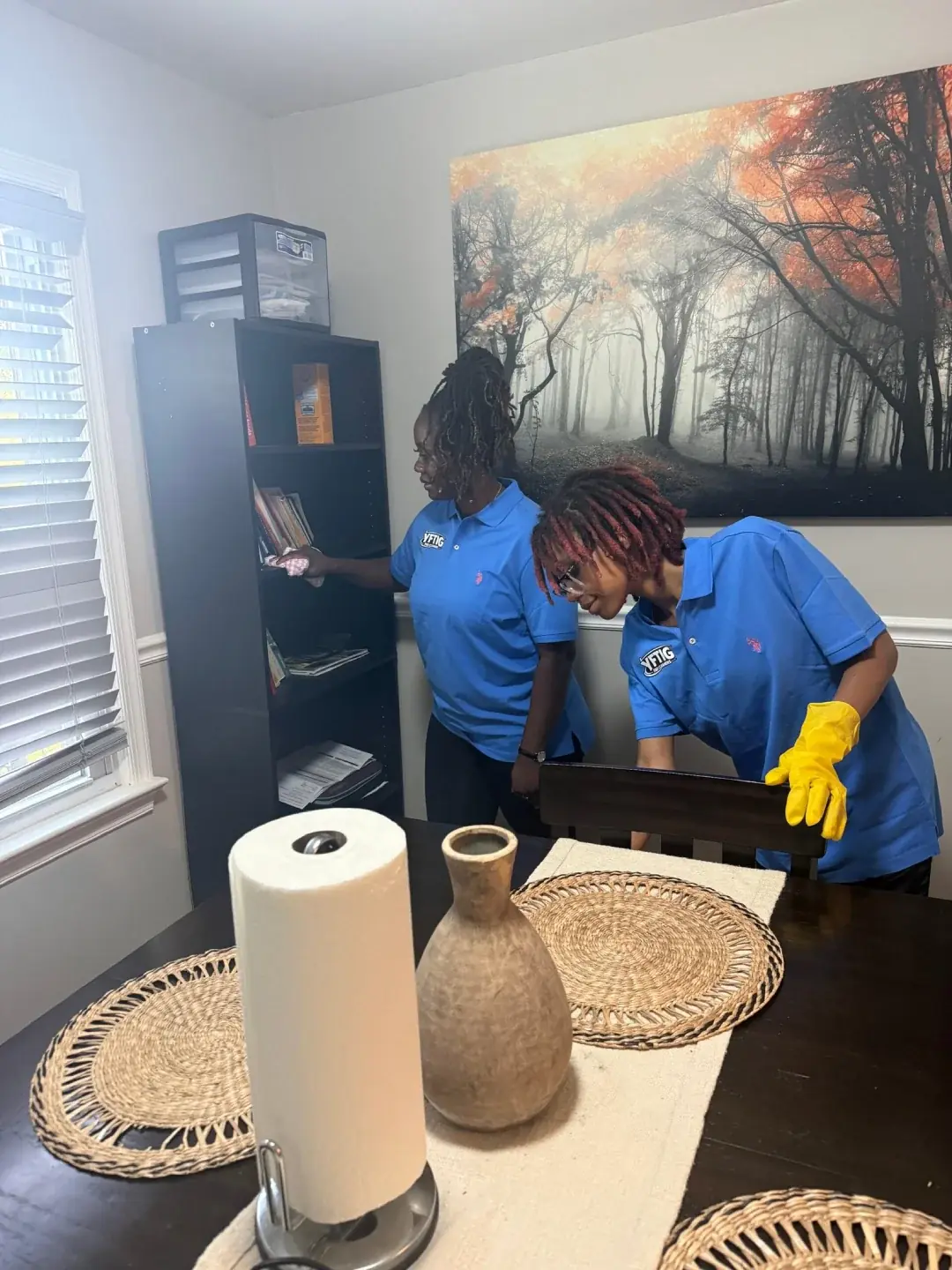
Our post-construction cleaning addresses settled dust and light residue once the work is done. We vacuum and wipe from the top down, including light fixtures, trim, door frames, window sills and tracks, and cabinets inside and out. We clean floors carefully so new finishes aren't scratched by grit, wipe vents and returns, and detail kitchens and bathrooms so they're ready for use. In historic homes, we take extra care around restored woodwork and newly refinished floors.
This service has boundaries. We handle accessible, settled dust such as sawdust, drywall dust and light paint or adhesive residue. We don't do hazardous material removal, mold remediation or biohazard cleanup. Older Warrenton homes can contain materials that require testing and specialized handling during renovation, so make sure your contractor or a qualified specialist has dealt with anything like that before we come in. Once the space is safe, we'll bring it back to livable. For big projects, a second visit a few days later catches dust that keeps drifting down from vents and high ledges after the first pass.
Restoration projects in Old Town often run on long timelines, with plaster work, floor refinishing and painting happening in stages. Book the post-construction clean once all interior trades are finished and the contractor's dumpster, tools and leftover materials are gone. Narrow Old Town streets mean dumpsters and trucks often take the parking near the house, so let us know where the crew can park on cleaning day. If floors were refinished, ask the refinisher how long the finish needs to cure before damp mopping, and schedule around it. For additions and basement finishes in the newer subdivisions, the same rule applies: the crew can't clean around active work. Change the HVAC filter when the trades leave so it isn't pumping dust back into a freshly cleaned house.
What's on the Post-Construction checklist
Every post-construction cleaning visit in Warrenton follows the same room-by-room list we use everywhere, then gets adjusted for your home. The full breakdown lives on our post-construction cleaning page; here are the areas it covers:
- Kitchen
- Bathrooms
- Walls, trim and doors
- Windows and doors
- Fixtures and vents
- Floors
Common issues we handle in Warrenton
Questions from Warrenton clients
We just had our original heart pine floors refinished. How soon can you clean?
That depends on the finish your refinisher used. Water-based finishes usually cure faster than oil-based ones, and full cure can take longer than the time before you can walk on them. Ask your refinisher when damp mopping is safe, then book after that date. In the meantime, a dry dust mop is fine. Warrenton floor projects in older homes are worth protecting, so we'd rather wait than scuff a new finish.
The plaster in our historic home was repaired. Is plaster dust harder to clean than drywall dust?
It's similar in fineness, and both get into every gap. Older Warrenton homes have many small ledges, transoms and open stairways where it settles, so it usually takes a careful top-down pass and attention to radiator fins and window sashes. If the project disturbed old paint, make sure your contractor handled that properly before we come in. Plan for a lighter follow-up visit, since plaster dust keeps drifting down for days.
Can you clean while contractors are still working?
We don't recommend it. If trades are still cutting, sanding or painting, dust and debris will settle right back onto cleaned surfaces, and you'd end up paying for work that has to be redone. The exception is a planned rough clean between phases, which is scheduled with the contractor so finish trades can start in a cleaner space. Coordinating that timing up front saves money and keeps the project moving.